
For the third time in two days, one of Luigi Mangione’s upcoming trials in the shooting death of UnitedHealthcare CEO Brian Thompson has been delayed.
The federal case now isn’t slated to begin until Jan. 2027, according to court documents released Thursday.
See the latest timeline below for the prosecution and the defense in the federal trial, in which Mangione faces interstate stalking charges.
This most recent pushback comes after delays in both his federal and state trials on Wednesday. The state case won’t begin until September, while the federal trial had been pushed until October, but now that was held back another three months.
The judge in the federal case, Margaret Garnett, had previously said her decision to postpone the trial was based on Mangione’s state murder trial happening in June, though she did acknowledge at the time that the schedule could change again if the state trial were to be delayed, which it later was.
Judge Gregory Carro rescheduled the state trial Wednesday from June 8 to Sept. 8. Carro did not elaborate on his decision. The state trial is expected to take four to six weeks.
“Whether we like it or not, we are somewhat at the mercy of events in the state case,” Garnett said, reasoning that her main concern was for Mangione to get a fair trial.
The defense argued that it would put a strain on them, citing an “impossible position” having to prepare for both his federal and state trials at the same time. Mangione’s lawyers argued back-to-back prosecutions on a tight timeline would violate his constitutional rights.
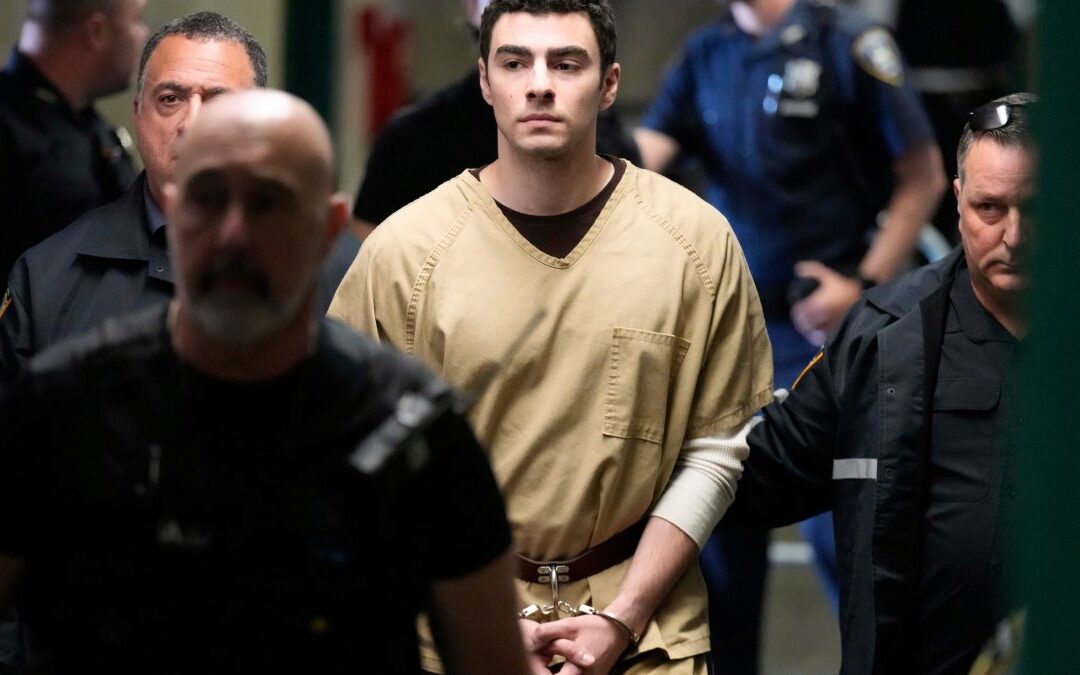
Mangione entered court on Wednesday wearing a beige prison outfit and his legs shackled as he sat next to his defense team. The 27-year-old pleaded not guilty. He faces the possibility of life in prison if he’s convicted in either case, which are set to occur two blocks apart in lower Manhattan.
Federal prosecutors opposed previous trial delays, arguing that witnesses become harder to locate and memories fade with the passage of time. At least one witness will be traveling from abroad, Assistant U.S. Attorney Dominic Gentile said.
“The public has a right to a speedy trial as well, especially in a case as significant as this,” Gentile said, noting that Mangione’s lawyers have had more than a year to prepare and that both cases involve the same allegations and witnesses.
The state trial will occur before the federal trial, as doing it in the other order could raise double jeopardy concerns. The state’s double jeopardy protections kick in if a jury has been sworn in in a prior prosecution, such as a federal case, or if that prosecution ends in a guilty plea. The cases involve different charges but the same alleged course of conduct.
At a hearing in February, Mangione spoke out against the prospect of two trials, telling Carro: “It’s the same trial twice. One plus one is two. Double jeopardy by any commonsense definition.”
There was plenty of drama in the courtroom for the Luigi Mangione case on Friday, as the typically composed defendant lashed out about double jeopardy. It came as it was learned when Mangione will go on trial for state charges. NBC New York’s Erica Byfield reports.
Thompson, 50, was killed on Dec. 4, 2024, as he walked to a Manhattan hotel for UnitedHealth Group’s annual investor conference. Surveillance video showed a masked gunman shooting him from behind.
Police say the words “delay,” “deny” and “depose” were written on the ammunition, mimicking a phrase used by critics to describe how insurers avoid paying claims.
Mangione, an Ivy League graduate from a wealthy Maryland family, was arrested five days later at a McDonald’s in Altoona, Pennsylvania, about 230 miles west of Manhattan.
His lawyers have argued that authorities prejudiced him by turning his arrest into a “Marvel movie” spectacle with armed officers parading him up a pier after he was flown to New York and by publicly declaring their desire to seek the death penalty before he was indicted.
In January, Garnett dismissed a federal murder charge — murder through use of a firearm — that had enabled prosecutors to seek capital punishment, finding it legally flawed.
Garnett, a former Manhattan federal prosecutor appointed to the bench by President Joe Biden, also threw out a gun charge but left in place stalking charges that carry a maximum punishment of life in prison.
Federal prosecutors can appeal the judge’s decision. Erica Byfield with the latest.


