
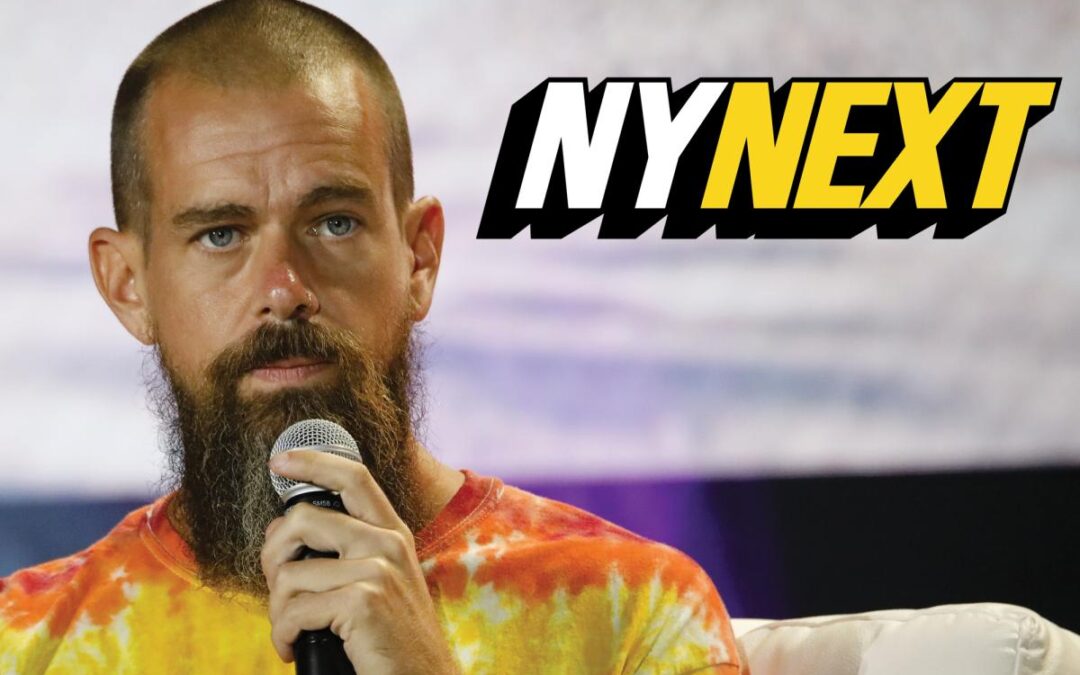
- Jack Dorsey is funding the return of Vine, now called Divine, 11 years after its demise.
- The new decentralized, AI-free video app launched Thursday, allowing 500,000 creators to reclaim accounts.
- Divine aims to be an antidote to algorithm-driven platforms, promoting “joy scrolling” and user control.
Eleven years after Vine died, Jack Dorsey is funding its resurrection and putting it back on the App Store.
“By bringing back Vine on a decentralized network, they are finally correcting every mistake,” Dorsey said of the move to bring back the six-second video app as Divine.
The decentralized, AI-free video app launched Thursday on the App Store and Google Play (though there is a wait list). Nearly 500,000 creators were able to reclaim their accounts and access their old content.
The app arrives as many users and creators grow tired of algorithm-driven platforms filled with AI content and manufactured virality. Divine is positioning itself as a return to simpler, more authentic short-form video and has several key differences: It bans AI-generated content entirely and it also requires videos to be shot inside the app for authenticity verification.
It also lets users select their own algorithm — or even ditch algorithms altogether and look at content in chronological order.
After a soft launch to a handful of creators, Divine is now available to everyone.

“The overwhelming response we got to our initial announcement has turned my side project into more of a movement,” said Evan Henshaw-Plath, who runs Divine and was one of the original Twitter developers, notably hiring Dorsey in 2006. “[It’s] an antidote to what social media has become … We’re trying to reset the relationship between people and their technology … We want social media that makes us feel happy.”
Internally, they refer to spending time on Vine as “joy scrolling” rather than “doom scrolling.”
“We need more of that joy. We need technology that makes us happy… When I give people the app and they start playing with it, they start giggling, they start laughing,” Henshaw-Plath added.

This story is part of NYNext, an indispensable insider insight into the innovations, moonshots and political chess moves that matter most to NYC’s power players (and those who aspire to be).
Some of Vine’s biggest stars — including Lele Pons, JimmyHere, MightyDuck, and Jack & Jack — have already jumped back on the platform.
JimmyHere called the original Vine “the golden age of short form content,” adding, “No AI. No crazy brand deals. Just a bunch of people with really crappy phone quality trying to entertain.”
MightyDuck was emotional about the return: “I would be nothing without Vine… it feels like I’m going home to where I belong!”
Henshaw-Plath, who now goes by “Rabble,” explained the deeper mission.
“Last year I crafted a new social media bill of rights having witnessed how far these platforms have strayed from our original intentions for an open and free internet,” he said. “My belief is that by building on an open protocol (Nostr), with open source code, Divine will start to redress the balance of power by giving creators and users more of a say in their online social lives and businesses.”

