
Oil markets jolted higher Monday after Iran threatened to shut the Strait of Hormuz amid escalating tensions in the Middle East.
West Texas Intermediate crude surged 7% to about $94 a barrel and Brent climbed 6% to roughly $97, reflecting growing fears that a prolonged disruption could choke off global supplies.
While oil prices declined on hopes of a peace deal last week, a new exchange of strikes between the US and Iran reversed the trend.
Iranian state media reported that Tehran had halted communications with Washington and said it would “completely” block the Strait of Hormuz, the vital waterway that serves as a conduit for roughly one-fifth of the world’s oil supply.
And US Central Command said Monday that American forces intercepted two Iranian ballistic missiles that were targeting US troops stationed in Kuwait.
Investors are increasingly worried that any prolonged disruption to shipping through the Strait of Hormuz could tighten global supplies and send energy prices sharply higher.
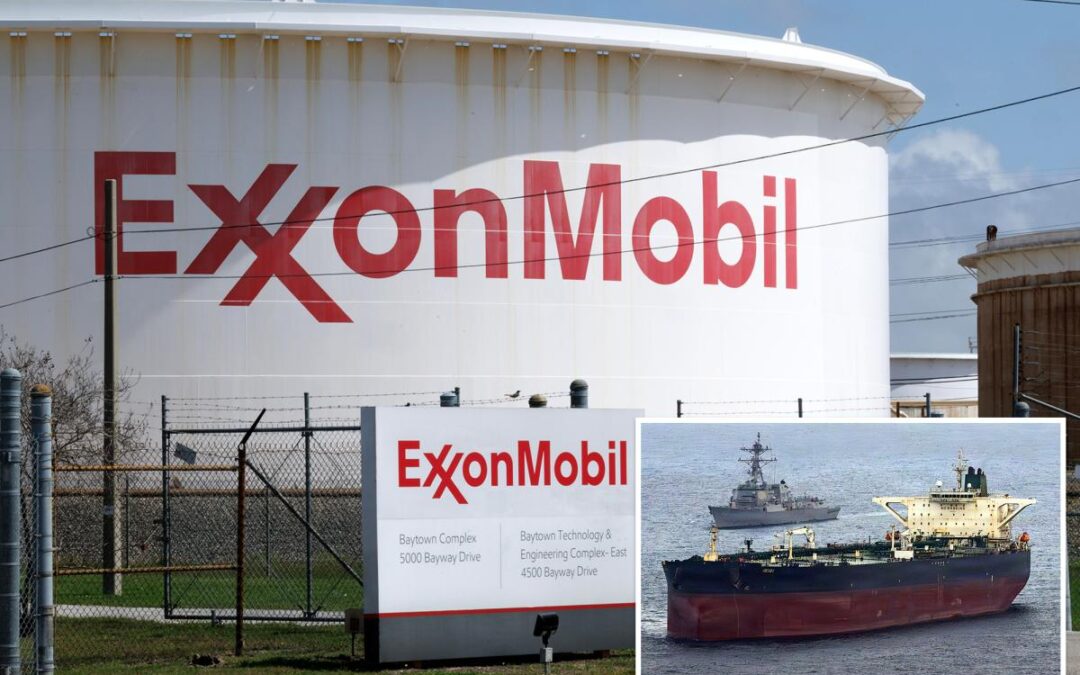
An ExxonMobil executive recently warned that global oil inventories are approaching “unheard of” lows and crude prices could soar as high as $160 a barrel if supplies continue to tighten.
Speaking at the Bernstein Strategic Decisions Conference on Thursday, ExxonMobil Senior Vice President Neil Chapman said the market has thus far avoided a more dramatic spike because countries and companies have been drawing down crude and fuel stockpiles while tapping strategic petroleum reserves.
But Chapman warned that cushion is rapidly disappearing.
“We’re approaching unheard of inventory levels. I mean, really, really low levels,” he said. “You can debate whether that’s going to hit those really low levels in two weeks or three weeks. But once you get to that point, then you’ll see price shoot up.”
Chapman said industry models indicate Brent crude could climb drastically once inventories reach critically low levels and buyers begin competing for dwindling supplies.
“Once you get to the minimum inventory levels and all-time low inventory levels, there’s only one way to go,” the exec said.
According to Chapman, Saudi Arabia has maximized use of its East-West pipeline to move crude to the Red Sea, while previously unsold Iranian, Venezuelan and Russian oil has also found its way onto the market.
“Most importantly, though, is what’s happened to inventories,” he said, arguing that governments and companies have increasingly relied on stockpiles of crude oil, gasoline, diesel and jet fuel to bridge the supply gap.
Those inventories are now approaching levels that Chapman described as unsustainable. Once stockpiles are depleted, he warned, prices could rise sharply until demand destruction forces the market back into balance.
“Prices go so high, it becomes unaffordable and that’s what happens,” he said. “And so we’re at that level right now.”
The White House said consumers can expect lower prices once the conflict is over.
“President Trump and his energy team anticipated short-term market disruptions, communicated them openly to the American people, and implemented an aggressive plan to mitigate any impacts,” spokesman Taylor Rogers said in a statement to The Post.
“President Trump will never allow Iran to possess a nuclear weapon, and he will continue to advance America’s core national security interests. When the President forces this conflict to a successful end, gas prices will drop back to multi-year lows and global energy markets will be much more stable in the long term.”
The Post has sought comment from ExxonMobil.

