
It’s not just New Yorkers facing an affordability crisis.
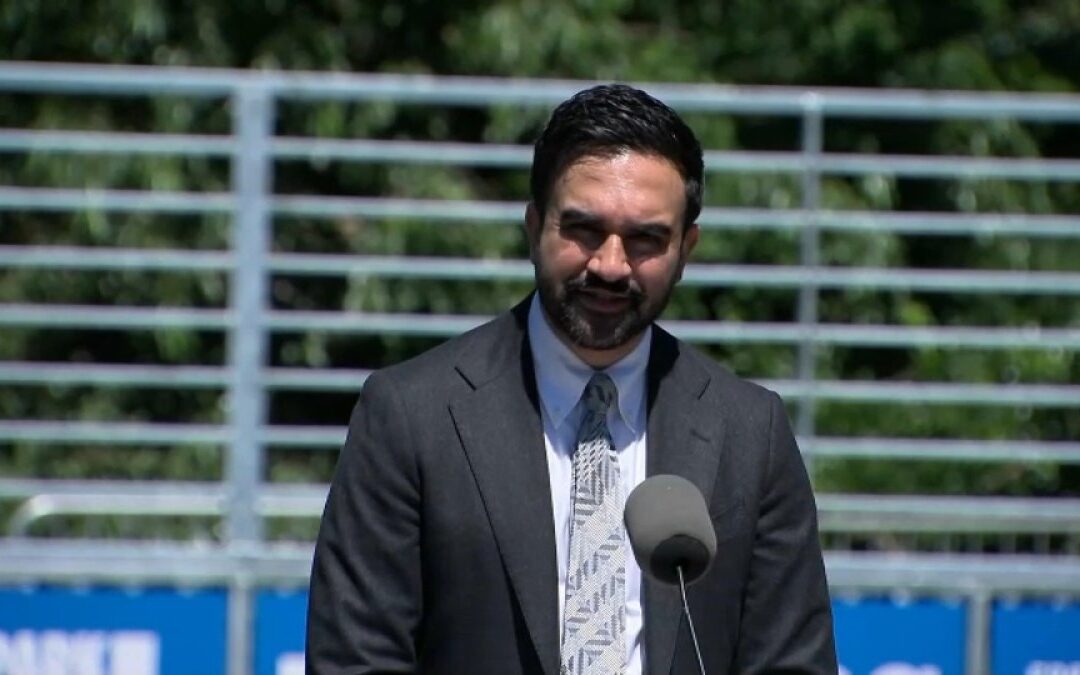
With the City coffers low on cash in recent months, Mayor Zohran Mamdani’s administration is considering delaying payments to hundreds of nonprofit organizations serving people in need, according to sources familiar with internal City Hall discussions.
The administration sources said their budget team is closely watching anticipated cash flow as they gear up to implement a new local law requiring the city to pay social service nonprofits 50 percent of their annual contract award — up front in July — at the start of the next fiscal year.
The law was aimed at correcting decades of painfully late city payments to programs providing afterschool, summer youth, mental health and domestic violence services, to name a few.
City officials familiar with internal budget discussions noted the law would require very large cash outlays early in the fiscal year. City Hall did not provide a specific dollar amount, but Michelle Jackson, executive director of the Human Services Council of New York City, estimated it would cost $3.5 billion to advance the required 50 percent to as many as 700 nonprofits covered under the law.
“Providers want to work with the Mayor, but not getting paid would certainly stretch already thin budgets,” said Jackson, whose organization represents more than 180 nonprofits potentially impacted should Mamdani decide to delay or reduce the advance payments due next month. She said nonprofits have already made plans — for instance signing leases or hiring staff — based on the expectation that money would be forthcoming.
“Nonprofit organizations play a vital role in our city, providing invaluable services for New Yorkers, and all nonprofits will be paid fully for their rendered services,” said Mamdani senior spokesperson Dora Pekec.
Administration sources said it’s not a question of whether non profits will be paid — but it could come down to a question of when.
An exception in the new law allows the mayor’s budget team to defer the required 50 percent advance payment for 180 days if they determine that the timing is “impracticable due to fiscal constraints.”
“We will work with our partners in government and the nonprofit sector to meaningfully implement this new law while continuing to manage the city’s cash flow,” Pekec continued.
Although the mayor and City Council are required to agree on a final balanced budget by July 1, the chair of the City Council’s Contracts Committee said he was unaware the Mamdani administration was considering a delay impacting nonprofits.
“We’ve heard crickets from the administration,” said Brooklyn Council Member Lincoln Restler, who co-sponsored the new law upping the required initial cash advance from 25 to 50 percent for human service programs with city contracts.
“We passed legislation just last year to increase upfront funding to nonprofits so they could consistently pay their staff on time. It would be very concerning to me and to my colleagues in the Council if the Mamdani administration failed to implement this law,” Restler said.
Within the past day, the mayor’s office did give City Comptroller Mark Levine a heads-up that they were zeroing in on the issue of nonprofit advance payments, according to sources familiar with the discussion.
Comptroller Levine warns the city could be facing a protracted cash crunch after relatively low balances in the first few months of calendar year 2026. Levine’s office reported the most recent cash on hand was about $9.4 billion on May 29 — down 24% from the same period in 2025, and the lowest in several years. The comptroller cited reasons including rising costs of homeless shelter, labor contracts, and vouchers for housing and child care, as well as a $4.6 billion drop in Covid-related aid so far in the current fiscal year.
Levine predicted the city’s cash would remain under downward pressure, averaging under $9 billion over the next four months and reaching as little as $5.2 billion in cash by the end of September, compared with $7.7 billion the prior year.
“Our office is ready to work with OMB to take whatever steps we can to avoid short-term borrowing by the city and any substantial reduction in nonprofit advances,” a spokesperson for the City Comptroller’s Office said.
Michelle Jackson of the Human Services Council said the mayor and comptroller came into office “laser-focused on clearing up the problem of late payments to nonprofits.”
Jackson said she believes Mamdani is doing a good job managing budget problems she believes he inherited, but warned that delaying future advance payments would have expensive consequences for the nonprofits she represents.
“We have a legal services provider who had to take a 20 million dollar line of credit, paying $80,000 a month in interest. You could hire ten staff people for that,” Jackson said.
“That money would be better spent preventing evictions or helping immigrants.”


