
A new report from HireAHelper shows that while the volume of moves remained high, the motivations behind them have shifted.
“This year, people are not focused on extremes, such as the largest cities or the most affordable locations,” Daniel Cobb, lead researcher on the report, said.
Nearly 15 million US adults relocated last year, according to the report.
“The data shows that Americans are prioritizing stability, with a focus on jobs, housing availability and long-term value.”
No state embodied that trend more than South Carolina. In 2025, it posted the highest net migration per capita in the country, adding nearly 80 residents for every 10,000 people already living there.
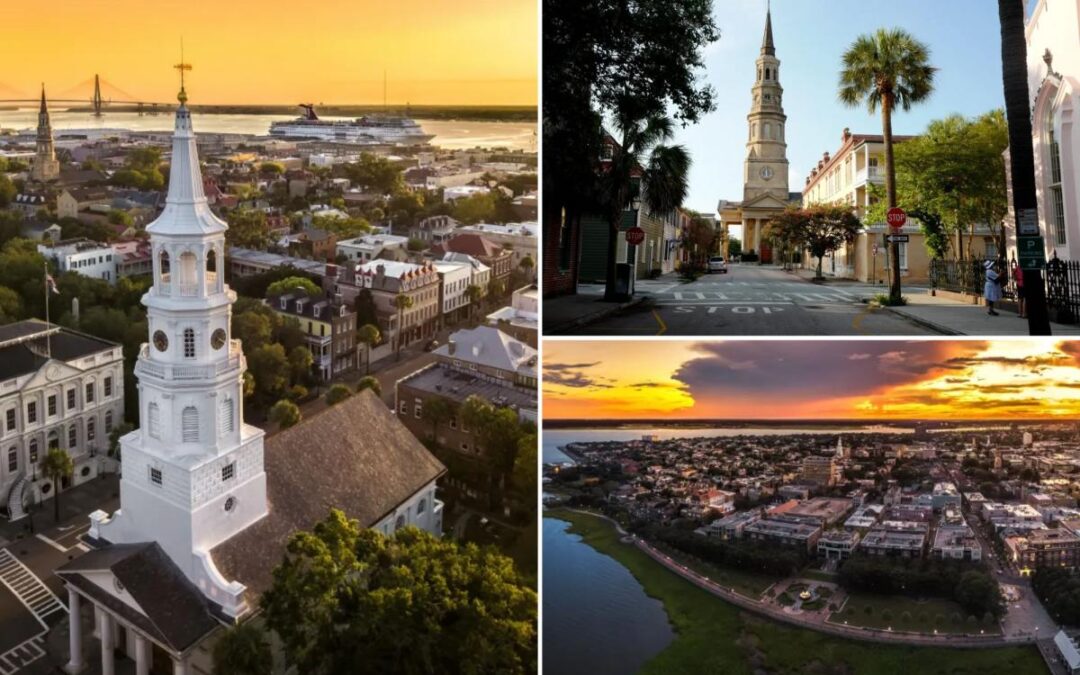
Cities such as Charleston and Greenville have become magnets for newcomers, lured by expanding employment opportunities and a lifestyle that promises both career momentum and breathing room.
While housing costs aren’t dirt-cheap, they remain far more approachable than in many coastal hubs, making the trade-off attractive.
The growth story isn’t limited to one state. Across the Southeast and Mountain West, states like Idaho, Delaware, Tennessee and Alabama logged some of the fastest per-capita population gains nationwide.
The pattern points to a broader migration toward places that offer room to grow, both professionally and personally, without the congestion or price tags that dominate older, high-cost metros.
Smaller cities are seeing some of the most dramatic jumps. In South Carolina, the Myrtle Beach-Conway area surged ahead as one of the country’s fastest-growing regions, pulling in a mix of nearby movers and long-distance transplants.
A notable share arrived from neighboring North Carolina, while others came from high-priced Northeastern states such as New York, New Jersey and Pennsylvania. Similar momentum played out in places like Ocala, Florida, and Seaford, Delaware, each drawing sizable inflows relative to their population.
Despite the headlines about interstate moves, most Americans stayed closer to home. Roughly 78% of movers relocated within their own state, often leaving dense urban cores for larger homes, quieter neighborhoods or more space without crossing state lines.
Not every state shared in the boom. High-tax, high-cost states continued to bleed residents, with California posting the largest net loss, followed by New York, Massachusetts, Illinois and Maryland. The departures highlight a growing willingness among Americans to trade prestige addresses for affordability and opportunity.
The timing of moves also tells a story.
Migration held steady throughout the year, rather than spiking around a single event, though August once again emerged as peak moving season as families aligned relocations with school calendars.

