
Insurgent Los Angeles mayoral candidate Spencer Pratt and New York City socialist Mayor Zohran Mamdani don’t agree on much.
Pratt pledges to force homeless drug addicts into treatment; Mamdani aims to swell the “homeless services” budget to $4.2 billion.
Pratt proposes a major increase in the LAPD’s ranks; Mamdani halted plans to hire thousands of new NYPD officers.
But the Republican Angeleno and the Gracie Mansion DSA member do agree on one thing: Their cities take far too long to issue developers the legally required permits they need to start building new homes — and both have promised to speed up the process.
Pratt vows “faster approvals, lower costs, measurable results” and says he’ll drop permit fees completely for single-family-home rebuilding if elected — a response to the glacial permitting that’s thwarted the restoration of LA’s fire-ravaged neighborhoods.
Mamdani intends to make permitting “faster and fairer.”
Both might be surprised to learn that a much smaller city in Westchester County has already figured out how to jump-start housing construction — and has managed to lower rents in the process.
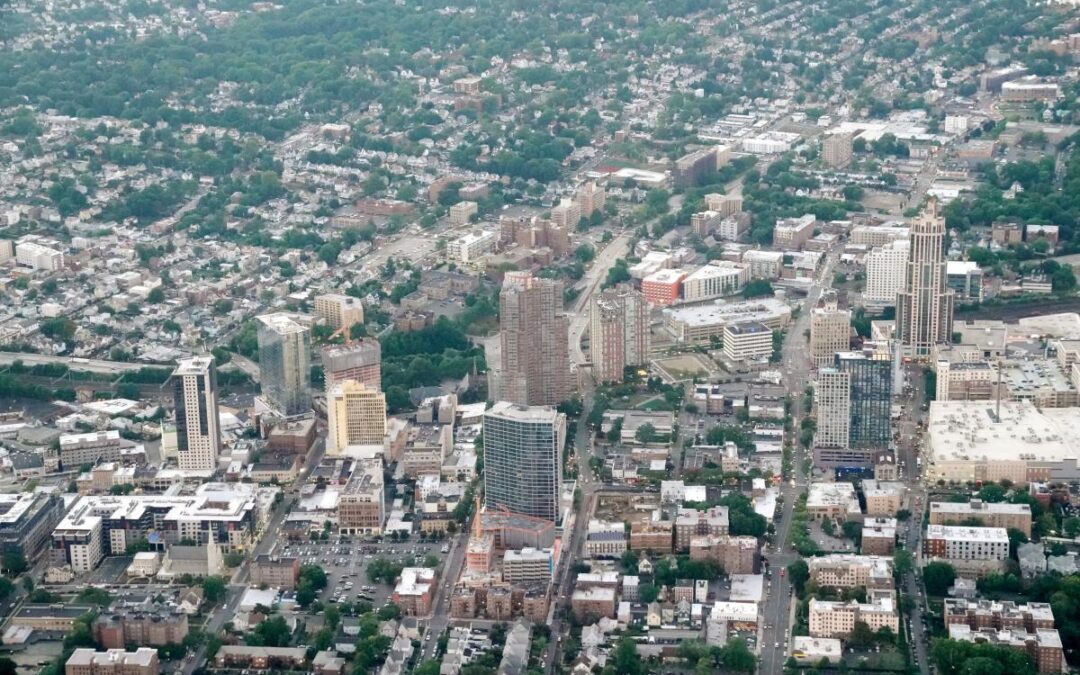
Since 2015 the City of New Rochelle, pop. 85,000, has found a way to enable construction of 5,130 new apartments and approve 2,746 more, with another 3,100 likely on the way.
All told, it will mean a 37% increase in its overall housing stock — a boon for the county and the entire region.
Mayor Yadira Ramos-Herbert says her town has no need for rent controls; the flood of new construction has held rent increases to just 1.6% above 2020 levels.
Indeed, between 2020 and 2023, the average New Rochelle rent went down by 2% — even better than Mamdani’s rent-freeze campaign promise.
Development Director Adam Salgado calls the “New Rochelle Model” a “supply-side solution” to the housing crisis.
The key change is both simple and an ambitious challenge for any bureaucracy: Three linchpin city agencies — the Bureau of Buildings, the Department of Development and the Planning Board — must give developers a thumbs-up or a thumbs-down within 90 days.
New Rochelle changed its zoning and conducted a general environmental review covering much of its downtown, allowing developers to avoid time sinks that once meant projects needed two years or more to gain approval.
To date, Salgado told me, not one project review has gone past 90 days. Most take just 60.
It may seem like plain common sense, but New Rochelle’s approach is actually radical enough that the city last month won the University of Utah’s annual Ivory Prize for housing affordability.
The city “set the playbook, then private developers could come and play,” Scott Rechler, chief executive of the development firm RXR, has said of the plan.
His firm has invested more than $1 billion in New Rochelle. Overall planned private investment: $2.5 billion.
Can New Rochelle provide a model for LA and Gotham?
Both have a long way to go.
In New York, a new city report focused on speeding up the permitting process revealed that “before a project can begin construction, it must receive approvals from up to 15 City agencies.”
No wonder the permitting process alone “takes 16 months on average.”
Add on the time of construction itself, and “it takes an average of over four years from the initial filing of a new building permit to officially complete construction and all inspections.”
In Los Angeles, the Journal of Urban Economics recently found, it takes an average of four years to build a new multi-family building — with a year and a half of that devoted just to obtaining permits.
Researchers concluded that bringing that process down to one year — far longer than New Rochelle’s 90 days — could increase available housing in LA by 23.7%.
The authors’ conclusion applies just as much to NYC as to LA: “Lengthy bureaucratic timelines” lead to “costly delay and disincentivizing of new investment.”
If Mamdani is willing to learn from Democratic New Rochelle, he should note that its fast-track approval rule applies to all proposed new housing, not just to so-called affordable (that is, income-restricted) units.
New Rochelle recognizes that more supply brings competition, and competition helps restrain housing prices overall.
It’s a lesson Mamdani should take to heart: His recently announced Streamlining Procedures to Expedite Equitable Development ( or SPEED) plan focuses only on reducing permit hold-ups for “affordable homes . . . frequently delayed by red tape.”
In other words, it’s OK for market-rate housing to get stuck in the permitting mud.
That limited mindset will only serve to keep New York City mired in its never-ending housing crisis.
He’d do better to heed his New Rochelle counterpart, Mayor Ramos-Herbert.
“You can say rent control or rent freeze and I understand it,” she’s said. “But the success of our model has allowed us to invest and explore other opportunities around affordability.”
Howard Husock is a fellow at the American Enterprise Institute and author of “The Projects: A New History of Public Housing.”


